Car Inspection
Automated pass-by railcar inspections.
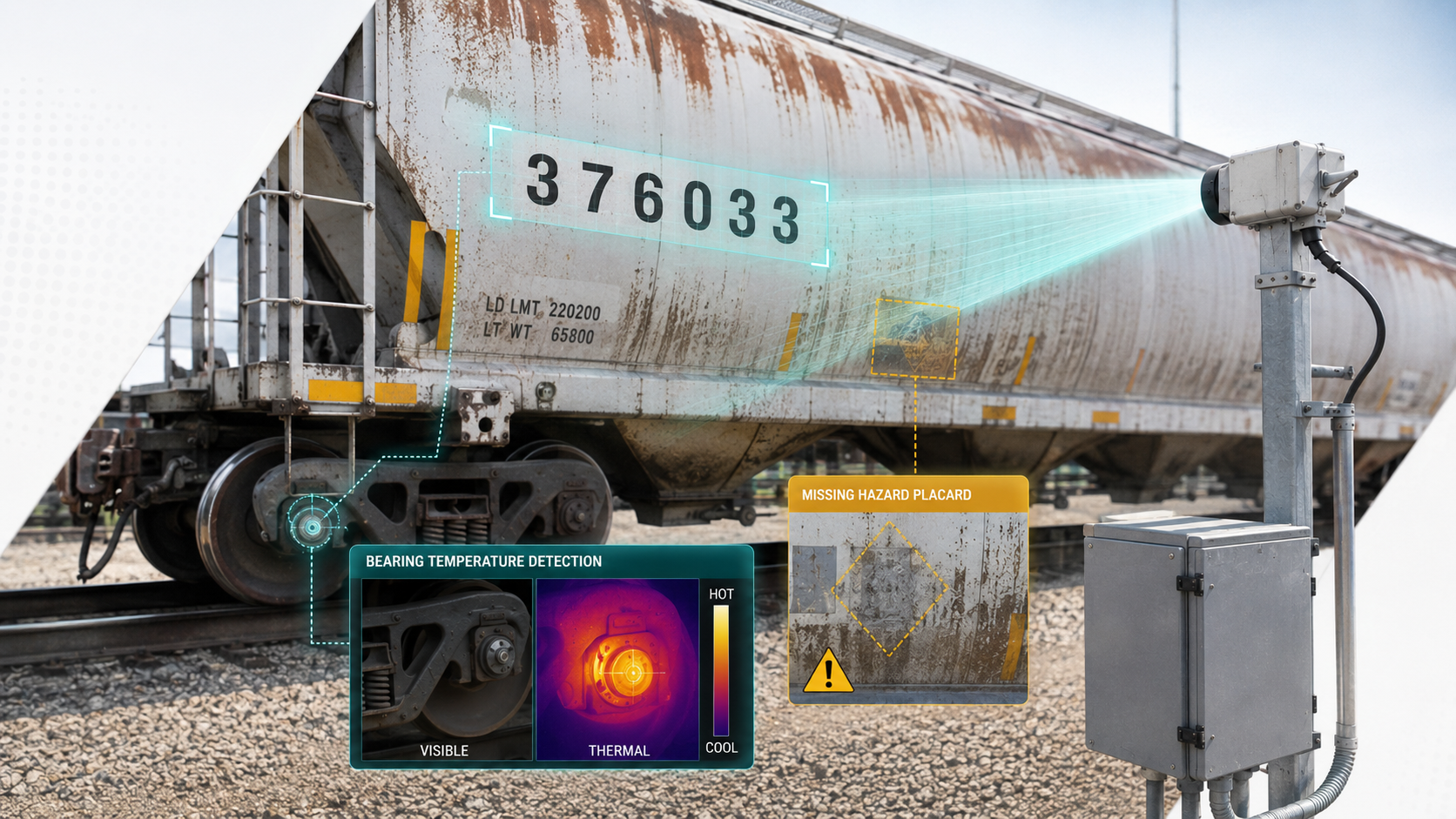
Inspect railcars with visual and thermal imaging systems as they pass fixed inspection points, helping teams detect equipment issues without interrupting operations.
Issue detection
Pass-by inspections
Monitoring
Failure risk
What It Does
Automated pass-by railcar inspections
Automatically inspect railcars using visual and thermal imaging systems while trains remain in motion. AI vision technology continuously monitors passing railcars to identify safety, maintenance, inventory, and operational issues in real time without interrupting operations.
Key Benefits
Detect issues before they become larger failures
Detectable Issues
Visual and thermal monitoring in one workflow
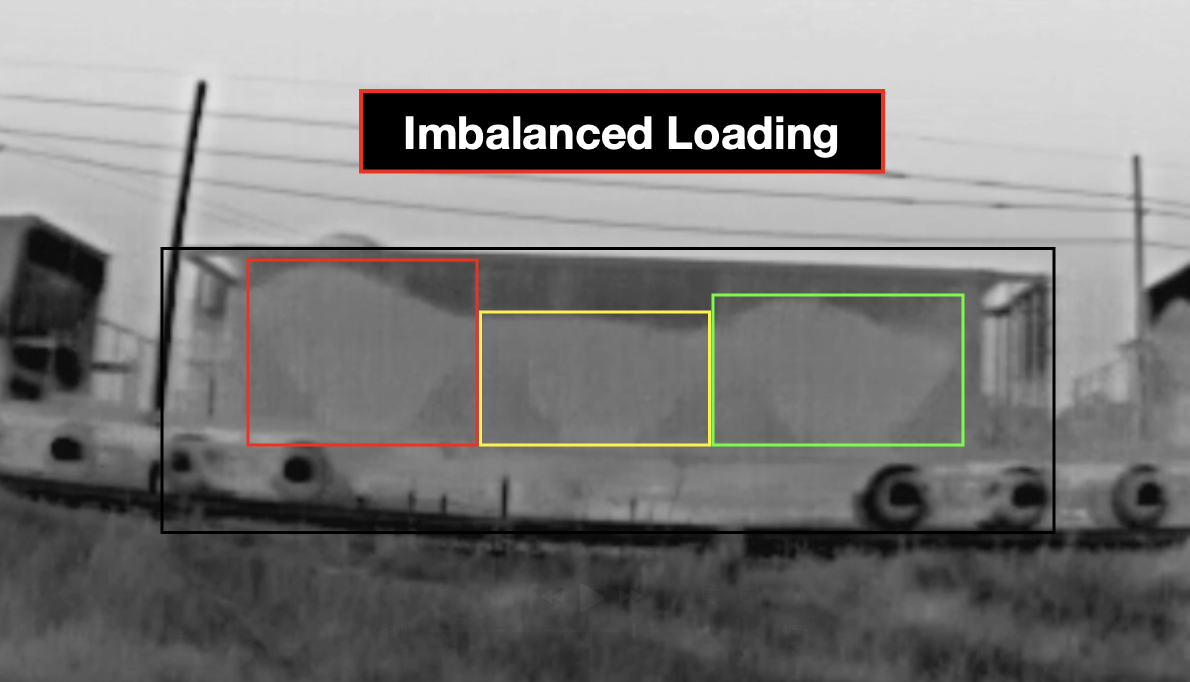
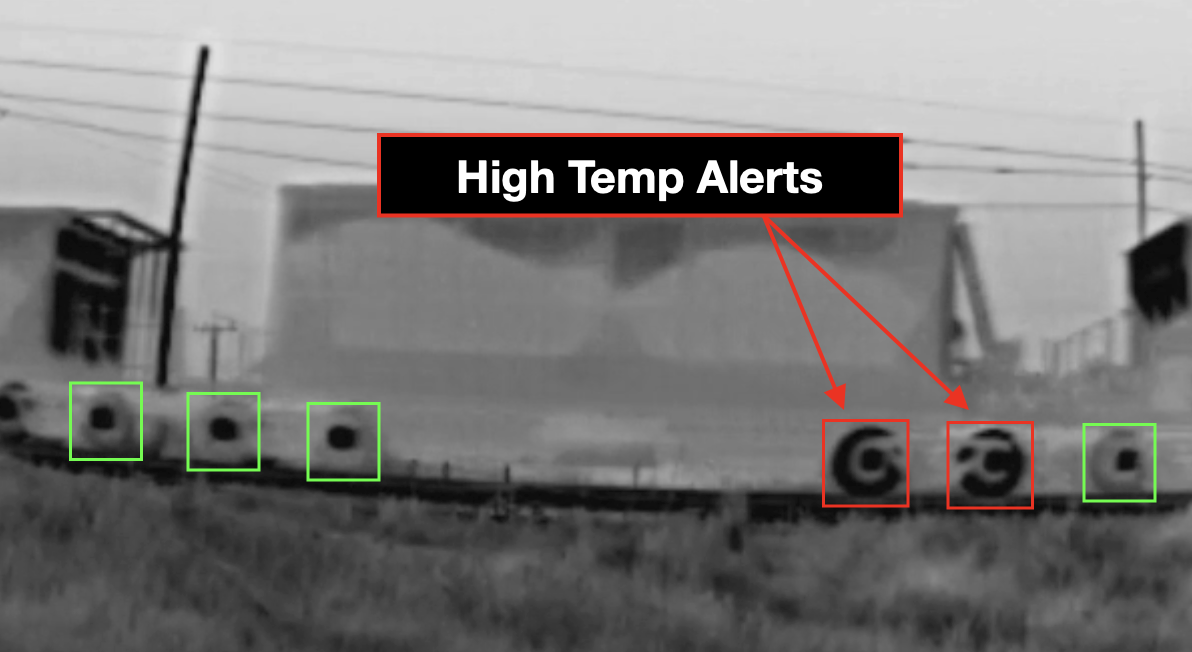
AI vision systems can help identify overheated bearings, brakes, wheels, missing or damaged components, wheel and brake rigging defects, open doors, shifted loads, leaking product, dragging equipment, and other safety hazards.
Thermal imaging systems can also detect abnormal heat signatures associated with overheating components or potential product leaks.
How It Works
Inspection data from fixed pass-by points
Cameras capture passing cars
Cameras deployed at fixed inspection points continuously capture visual and thermal data from passing railcars.
AI analyzes imagery in real time
AI vision software reviews the imagery as trains move through normal operations and flags potential issues.
Teams review alerts faster
Centralized dashboards help operations and maintenance teams review alerts and respond faster.
Inventory and Operations
Support continuous rail operations
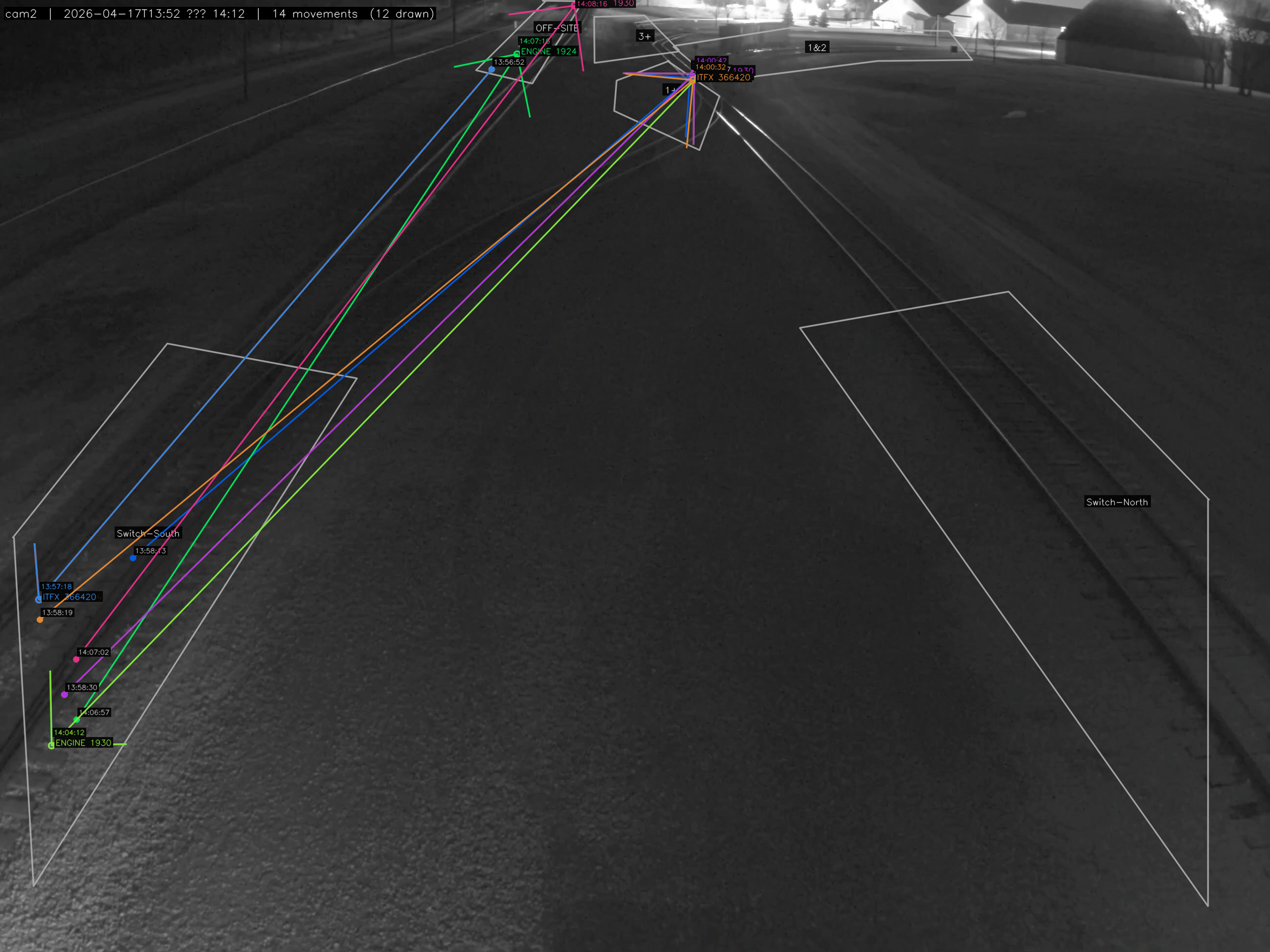
In addition to safety and maintenance inspections, AI vision systems can automatically read railcar numbers, placards, AEI tags, and reporting marks to support inventory tracking, logistics visibility, and operational reporting.
Canopy Vision systems are designed to operate alongside existing rail workflows and inspection programs, helping rail operators expand inspection coverage and reduce reliance on manual inspections over time.